Esterhazy water treatment plant in final stages
New plant six to nine months out from providing town water
February 23, 2026, 10:38 am
Nicole Taylor, Local Journalism Initiative Reporter

Esterhazy’s new region water treatment plant is set to be operational within six to nine months according to Brandi Neibrandt, the project manager with Allied Infrastructure Ltd.
Neibrandt says they have begun the seeding of the plant’s biological treatment system, and if all goes well, water from the new plant could be flowing through town pipes by no later than this fall.
Work on the $30 million plant started in 2018. Once completed the plant will have the ability to serve over 5,000 households, and has been built with the capacity to serve surrounding communities and industry if the demand is there.
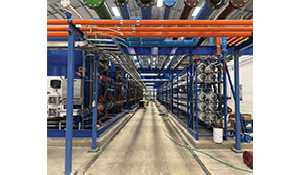
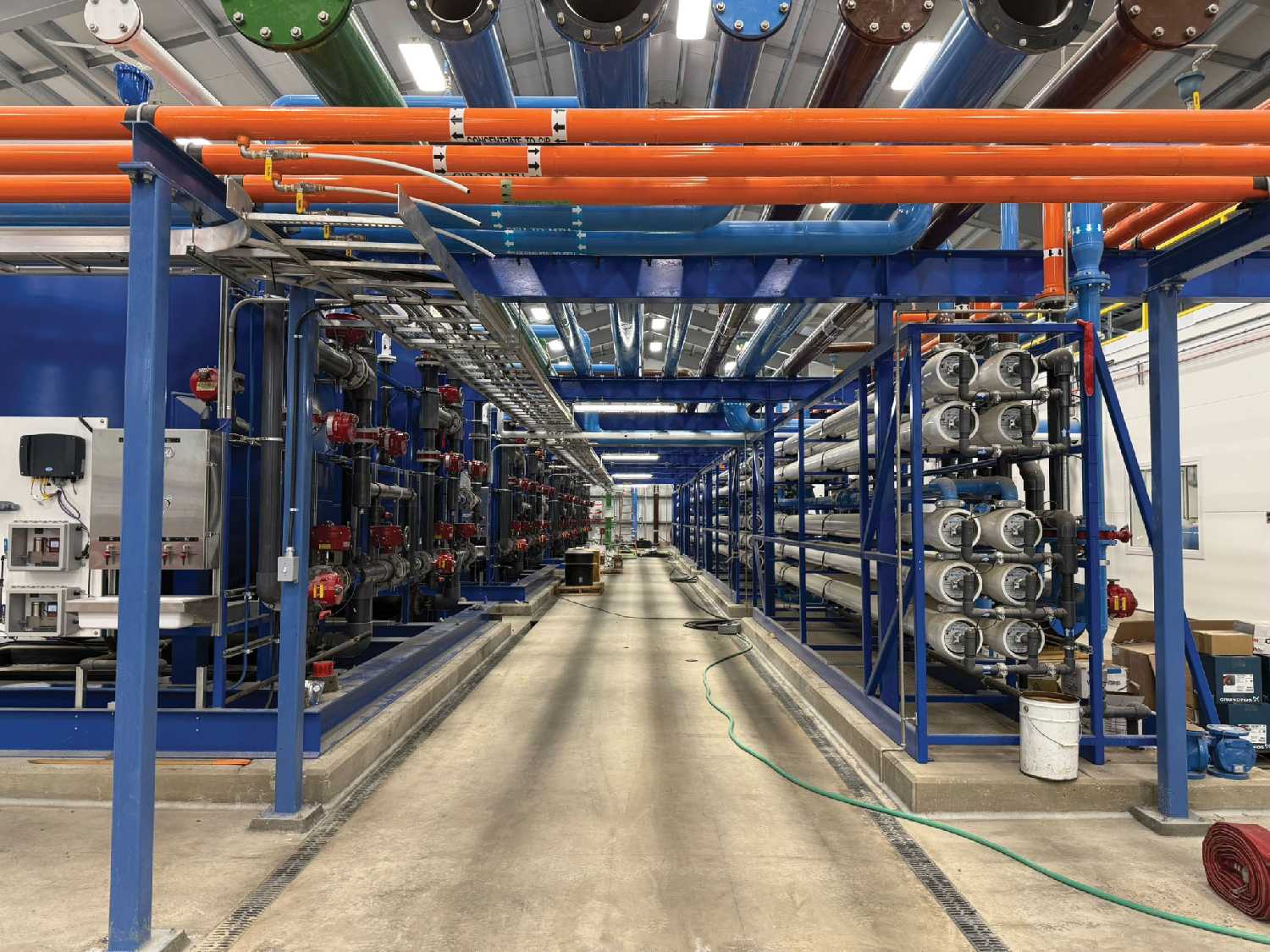
“There’s are three major components of the water treatment plant,” explains Niebrandt. “You have your pre-treatment, which is the biological filters, followed by a secondary treatment, which is membrane treatment, or reverse osmosis. And then it’s followed by your typical disinfection that you require to meet regulation,like chlorine dosage.
“We have started the seeding of the biological treatment system. That seeding is getting the microorganisms that are consuming the minerals that we want to remove from that water, that allows them to adapt to the town’s raw water quality. So they’re brought from a different site. They’re placed in these filters, and then you slowly feed them.
“So it’s kind of like bringing a new dog home for the first couple of days. It takes them a little bit of time to adapt to their new home. They might be a little bit anxious, but then you escalate that over a kind of a couple months period.
“So we have began that process, but that process does take some time, so we’re on our way to bringing the water plant online.
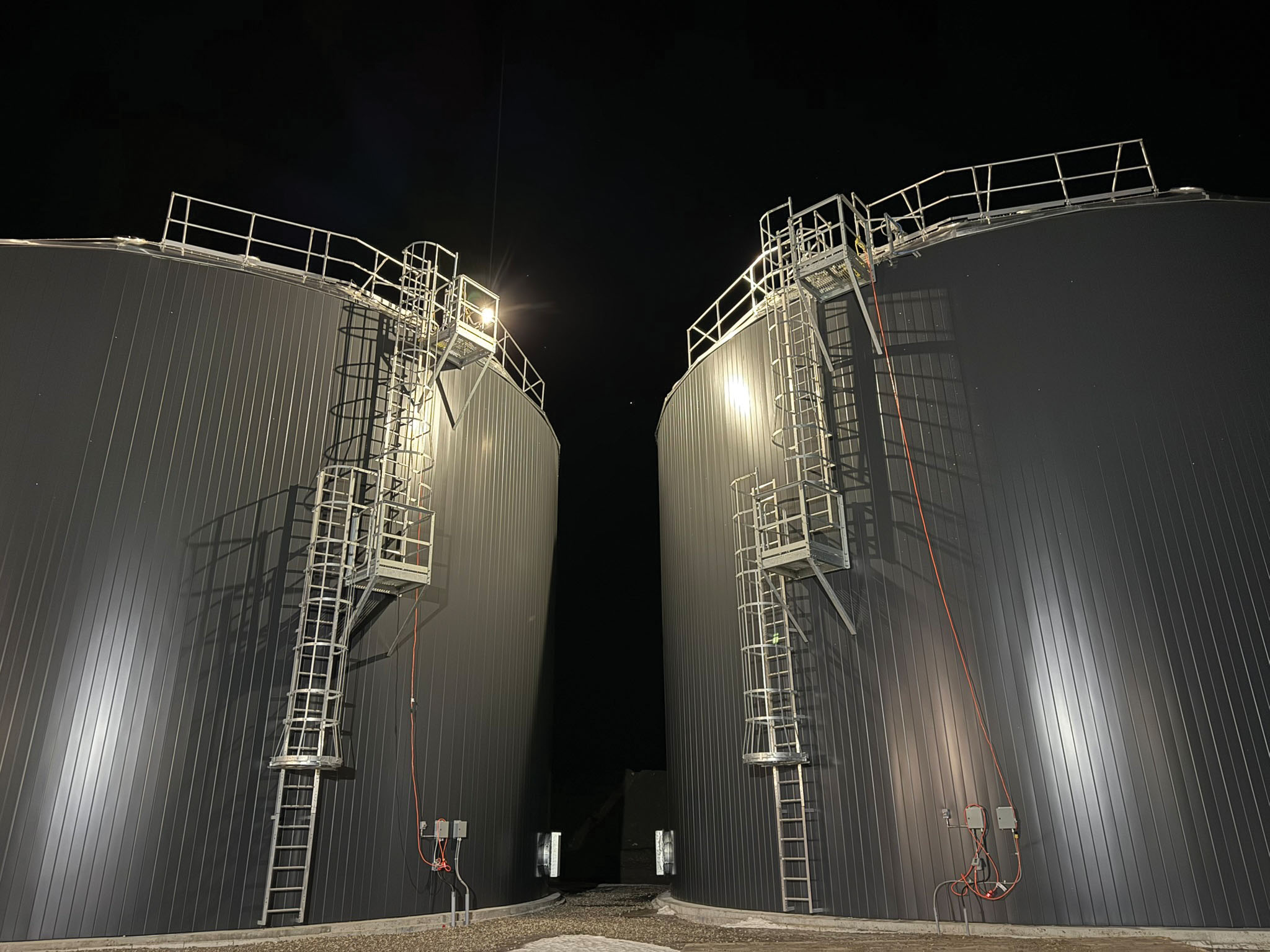
“Progression is definitely based on the water quality that’s being produced and the ability for those micro-organisms to adapt, which is quite complex to kind of predict, but we’re looking at probably summer to fall, having the whole system up—so pre-treatment, secondary treatment and disinfection—all brought online, out to the distribution system.
“I’d say we are looking at six to nine months, which is kind of what we’ve always expected. Fall of 2026 was the goal.”
The plant has been a long time in the making. Neibrandt says Allied Infrastructure got involved in the project in 2018.
“In 2018, that’s when the town engaged ourselves to assist them in the conceptual design, or master planning for the project. And then that master plan supported a funding application that the town submitted, and they were approved of that funding in 2020.”
Once up and running people in Esterhazy will see reverse osmosis water flowing out of their taps.
“That biofiltration will be followed by reverse osmosis, or a style of reverse osmosis. So it will be reverse osmosis quality water,” says Neibrandt. “So that’s what a person can expect. The pre-treatment really just promotes the longevity of those membranes, or the RO system itself, so it’s making it easier on that system to try and extend the service life of the valuable membranes. So it’s really just providing a way of making the secondary treatment’s life a little bit easier.”
Neibrandt says people will notice a significant difference in water quality once the new plant is providing water.
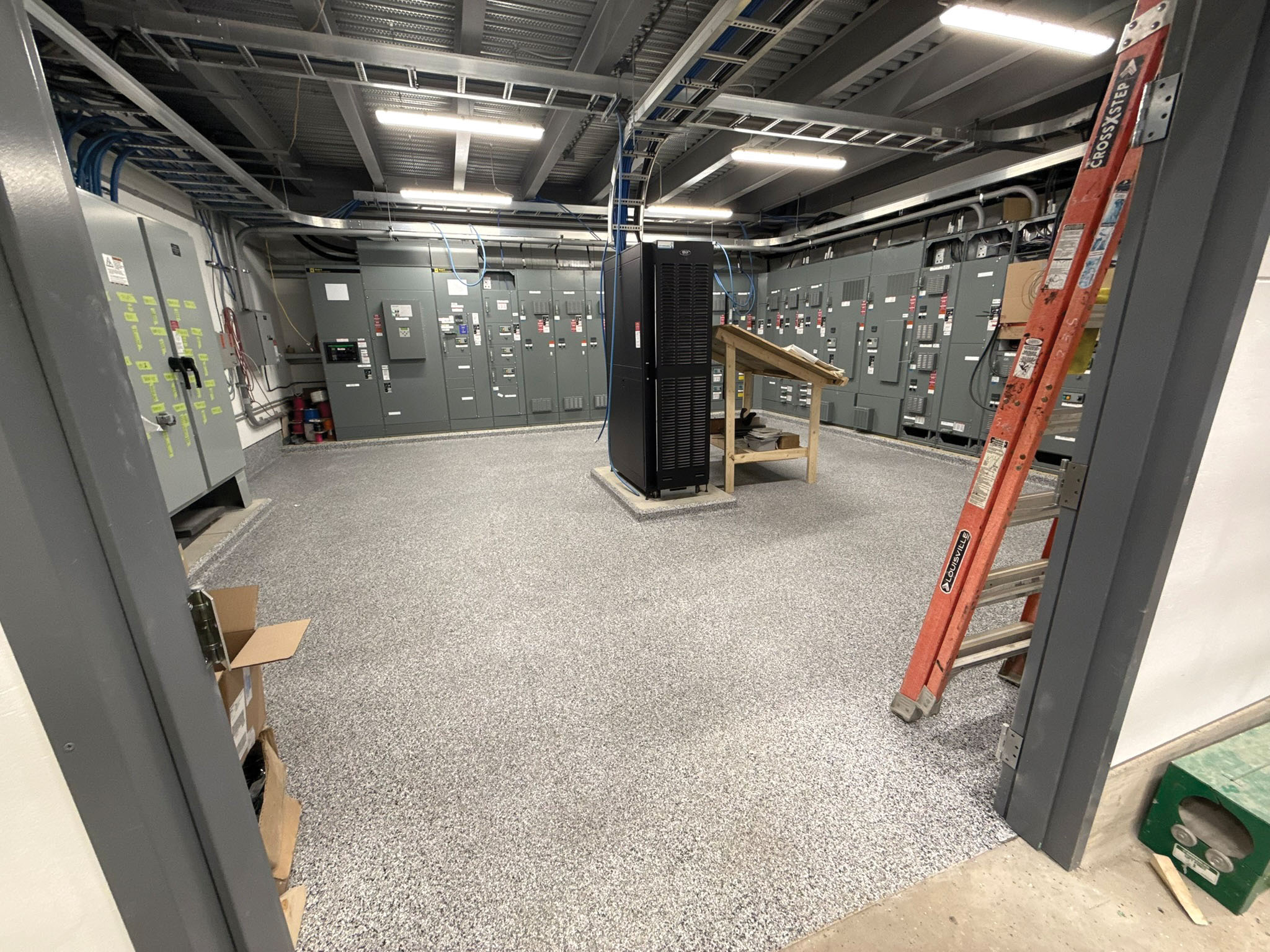
“I think it will be pretty significant for the town of Esterhazy, given that the water is quite hard. They will notice a significant improvement, to a point where some residents might select to remove their water softeners. That’s all based on preference, but the water quality will be drastically improved.”
What are the final steps in getting the new plant ready to go?
“It really comes down to that pre treatment and how those microorganisms adapt,” says Neibrandt. “Once we have the bio filtration system operating properly, then we continue down the line, so we’ll bring on our membrane treatment units, our reverse osmosis. And then once you have that, then you have to do all of your water quality testing, make sure that it’s safe to release to the public, and then the distribution pumps will pump it out into the town’s distribution system.”
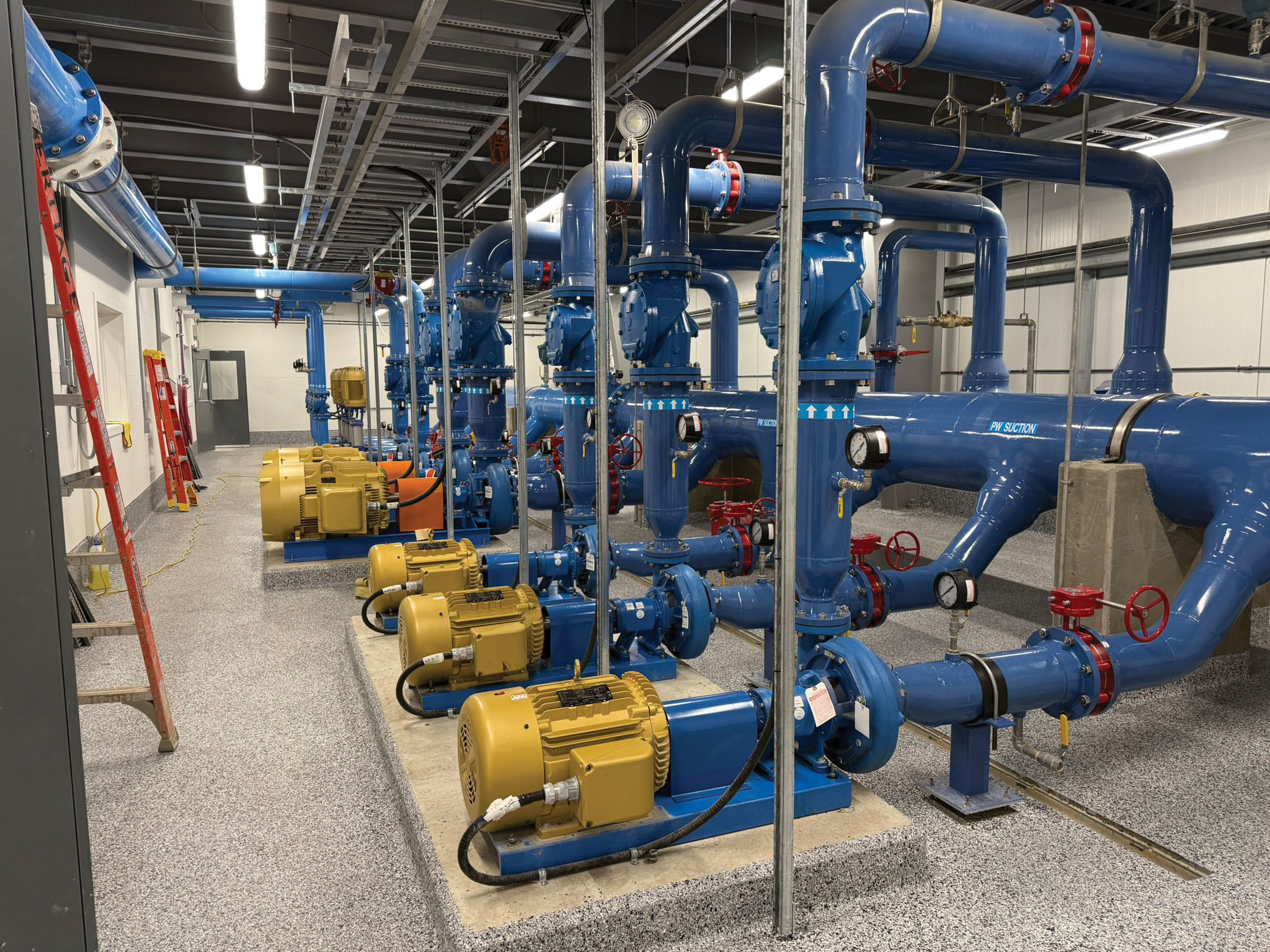
While some communities upgrade their existing water treatment facilities, in Esterhazy’s case, this water treatment plant is a new build. If the town plans to serve a larger area with the plant at some point, Niebrandt says they will need to consider upgrading other parts of their water system in order to do so.
“It’s a greenfield plant, so it’s brand new,” says Neibrandt.
“The components that feed that equipment and then distribute that water aren’t all new, obviously. At this time there hasn’t been any kind of expansion to the town’s raw water system. So that’s the groundwater wells. And then there’s a limited amount of replacement work that was done in order for the distribution system. That’s where the new plant ties in at Maple and Sumner Street to the town’s existing system.
“The town will continue to kind of look at further improvements if more work needs to be done in order to make it regional, such as pipelines and those sorts of features, and would they need to add more wells as well, in order to do something like that. That would definitely have to be considered as it relates to further expanding the capacity.”
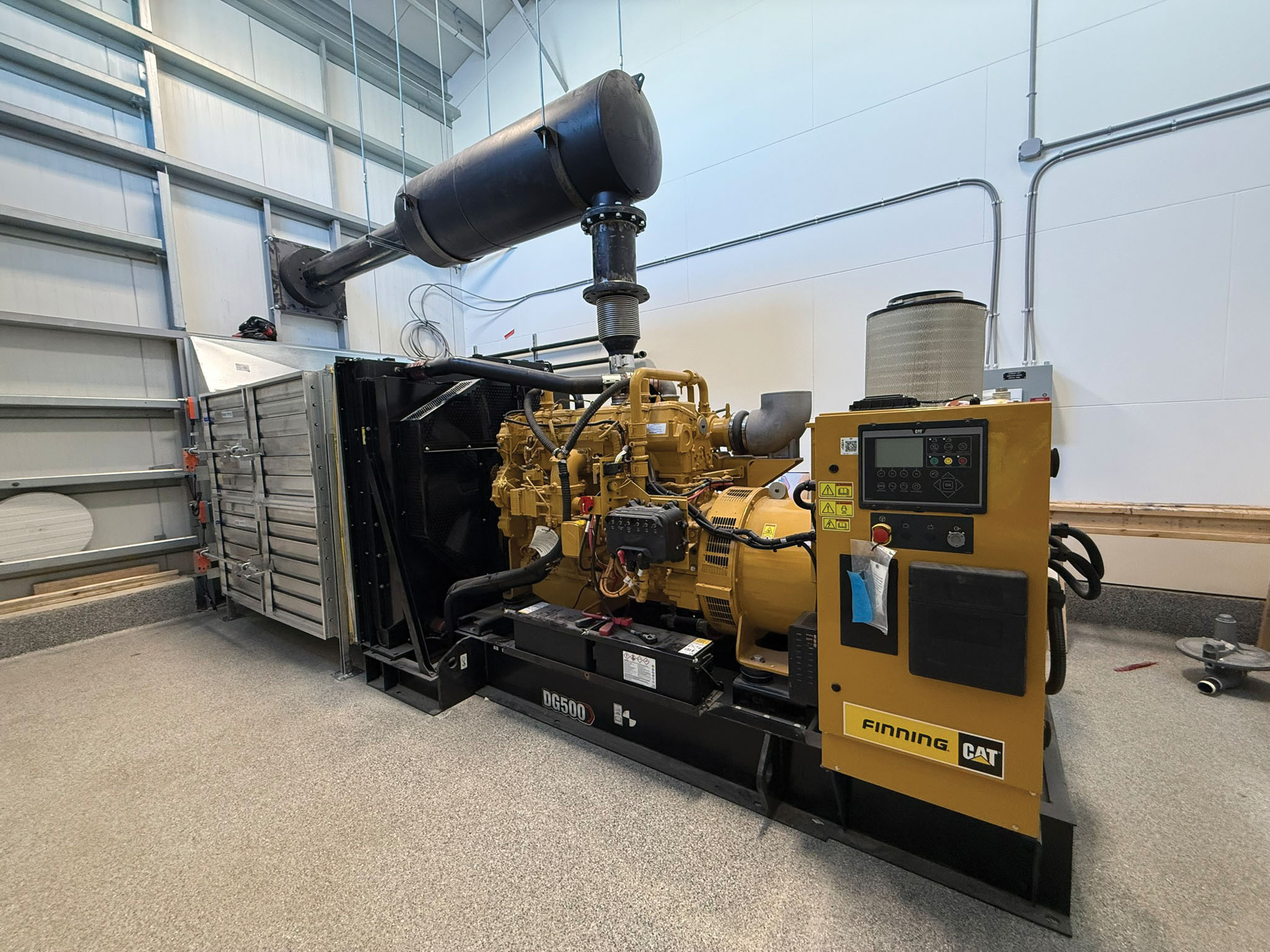
Neibrandt says she has enjoyed working on the project.
“I think it’s fun. It’s obviously challenging. There are different things come up during the process, from construction to design to budget, all aspects you have to manage. But I wouldn’t do anything else, that’s for sure.”
Tweet